All Categories
Featured
Table of Contents
- – The Development of Danger Assessment in local ...
- – Real-Time Credit Monitoring and Predictive Ana...
- – Customer Rights and the Right to a Description
- – Incorporating Option Data into the 2026 Score
- – Financial obligation Management in an Algorit...
- – Keeping Financial Personal Privacy and Security
The Development of Danger Assessment in local communities
By middle of 2026, the shift from traditional linear credit scoring to intricate artificial intelligence designs has reached a tipping point. Banks throughout the United States now count on deep knowing algorithms to predict customer behavior with an accuracy that was impossible just a couple of years earlier. These systems do not simply take a look at whether a payment was missed out on; they evaluate the context of monetary choices to figure out creditworthiness. For locals in any major metropolitan area, this implies that the basic three-digit rating is progressively supplemented by an "AI self-confidence period" that updates in real time based on everyday deal data.
The 2026 version of credit report locations a heavy emphasis on money flow underwriting. Instead of relying entirely on the age of accounts or credit usage ratios, lending institutions use AI to scan bank declarations for patterns of stability. This shift benefits individuals who may have thin credit files but maintain constant residual income. Nevertheless, it also demands a higher level of monetary discipline. Maker knowing designs are now trained to determine "stress signals," such as a sudden boost in small-dollar transfers or changes in grocery costs patterns, which might show approaching monetary hardship before a single expense is really missed out on.
Real-Time Credit Monitoring and Predictive Analysis

Credit tracking in 2026 has moved beyond simple alerts about brand-new queries or balance modifications. Modern services now offer predictive simulations driven by generative AI. These tools permit customers in their respective regions to ask specific questions about their monetary future. For example, a user may ask how a specific auto loan would impact their ability to receive a home loan eighteen months from now. The AI examines present market patterns and the user's individual information to offer an analytical likelihood of success. This level of foresight helps prevent customers from handling financial obligation that might threaten their long-term objectives.
These keeping an eye on platforms also serve as an early caution system against advanced AI-generated identity theft. In 2026, synthetic identity fraud has actually become more typical, where wrongdoers mix real and fake data to produce completely brand-new credit profiles. Advanced monitoring services use behavioral biometrics to identify if an application was most likely filled out by a human or a bot. For those focused on Debt Management, staying ahead of these technological shifts is a requirement for keeping financial security.
Customer Rights and the Right to a Description
As AI takes over the decision-making process, the concern of customer rights ends up being more complex. The Customer Financial Protection Bureau (CFPB) has actually issued stringent guidelines in 2026 relating to algorithmic openness. Under these guidelines, loan providers can not simply claim that an AI model rejected a loan; they should offer a specific, reasonable factor for the unfavorable action. This "explainability" requirement guarantees that locals of the local market are not left in the dark when an algorithm considers them a high threat. If a device finding out design identifies a particular pattern-- such as irregular energy payments-- as the factor for a lower rating, the lending institution must reveal that detail plainly.
Consumer advocacy remains a foundation of the 2026 monetary world. Given that these algorithms are developed on historical information, there is a constant danger of baked-in predisposition. If an AI design unintentionally penalizes certain geographical locations or group groups, it breaches federal reasonable lending laws. Many individuals now deal with DOJ-approved nonprofit credit therapy firms to audit their own reports and understand how these machine-driven choices impact their borrowing power. These agencies offer a human examine a system that is ending up being increasingly automated.
Incorporating Option Data into the 2026 Score
The addition of alternative information is maybe the greatest change in the 2026 credit environment. Lease payments, subscription services, and even professional licensing information are now basic parts of a credit profile in the surrounding area. This change has opened doors for millions of people who were formerly "unscoreable." AI handles the heavy lifting of confirming this information through secure open-banking APIs, guaranteeing that a history of on-time lease payments brings as much weight as a conventional home mortgage payment might have in previous decades.
While this expansion of information supplies more chances, it likewise implies that more of a customer's life is under the microscope. In 2026, a single unpaid health club subscription or a forgotten streaming membership might potentially ding a credit rating if the information is reported to an alternative credit bureau. This makes the role of extensive credit education even more crucial. Comprehending the kinds of information being gathered is the initial step in managing a modern monetary identity. Strategic Debt Relief Services helps individuals browse these complexities by supplying structured plans to resolve financial obligation while simultaneously enhancing the information points that AI designs value most.
Financial obligation Management in an Algorithmic World
For those battling with high-interest financial obligation in 2026, the interaction between AI scoring and debt management programs (DMPs) has moved. Historically, getting in a DMP may have triggered a short-term dip in a credit rating. Today, AI designs are much better at acknowledging the distinction between a consumer who is defaulting and one who is proactively looking for a structured repayment plan. Numerous 2026 algorithms see participation in a not-for-profit debt management program as a favorable indicator of future stability rather than an indication of failure.
Nonprofit companies that offer these programs negotiate straight with creditors to lower rates of interest and combine payments into a single month-to-month commitment. This procedure is now typically managed through automated websites that sync with the consumer's AI-driven credit screen. As payments are made, the positive data is fed back into the scoring designs, typically leading to a faster score healing than was possible under older, manual systems. Individuals who actively browse for Debt Management in Kentucky typically find that a structured method is the most effective method to satisfy both the creditors and the algorithms that determine their monetary future.
Keeping Financial Personal Privacy and Security
With a lot information streaming into AI designs, privacy is a leading concern in 2026. Consumers in your community deserve to pull out of specific kinds of information sharing, although doing so can sometimes result in a less precise (and for that reason lower) credit rating. Balancing the desire for a high score with the requirement for data personal privacy is a personal decision that needs a clear understanding of how credit bureaus utilize info. Modern credit reports now consist of a "information map" that shows exactly which third-party sources added to the existing rating.

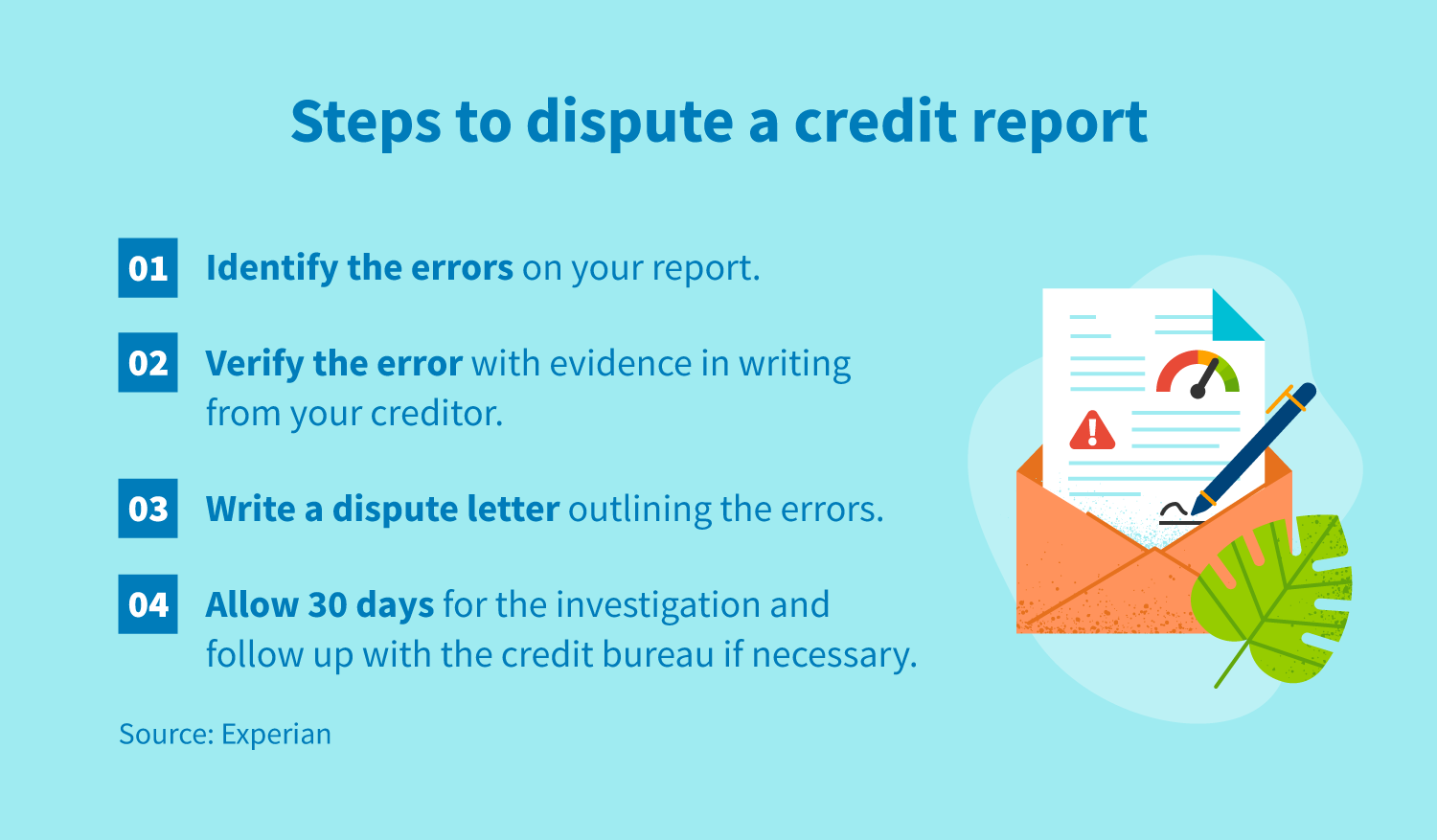
Security steps have actually likewise advanced. Two-factor authentication is no longer enough; numerous monetary organizations now utilize AI to validate identity through voice patterns or typing rhythms. While this includes a layer of protection, it also indicates customers need to be more alert than ever. Regularly checking credit reports for inaccuracies is still a fundamental duty. If an AI model is fed incorrect data, it will produce an incorrect rating, and fixing those errors in an automated system can often require the assistance of an expert counselor who understands the dispute procedure in 2026.
The shift toward AI in credit history is not simply a technical change; it represents a brand-new method of believing about trust and danger. By focusing on behavioral consistency instead of just historic financial obligation, the 2026 monetary system provides a more nuanced view of the individual. For those who remain notified and utilize the tools available to them, this new age offers more paths to monetary stability than ever previously.

Table of Contents
- – The Development of Danger Assessment in local ...
- – Real-Time Credit Monitoring and Predictive Ana...
- – Customer Rights and the Right to a Description
- – Incorporating Option Data into the 2026 Score
- – Financial obligation Management in an Algorit...
- – Keeping Financial Personal Privacy and Security
Latest Posts
Designing a 2026 Budget for Gilbert Arizona Lifestyles
Proactive Credit Enhancement Techniques for the 2026 Economy
How Local Locals Access Professional Debt Debt Consolidation Support
More
Latest Posts
Designing a 2026 Budget for Gilbert Arizona Lifestyles
Proactive Credit Enhancement Techniques for the 2026 Economy
How Local Locals Access Professional Debt Debt Consolidation Support